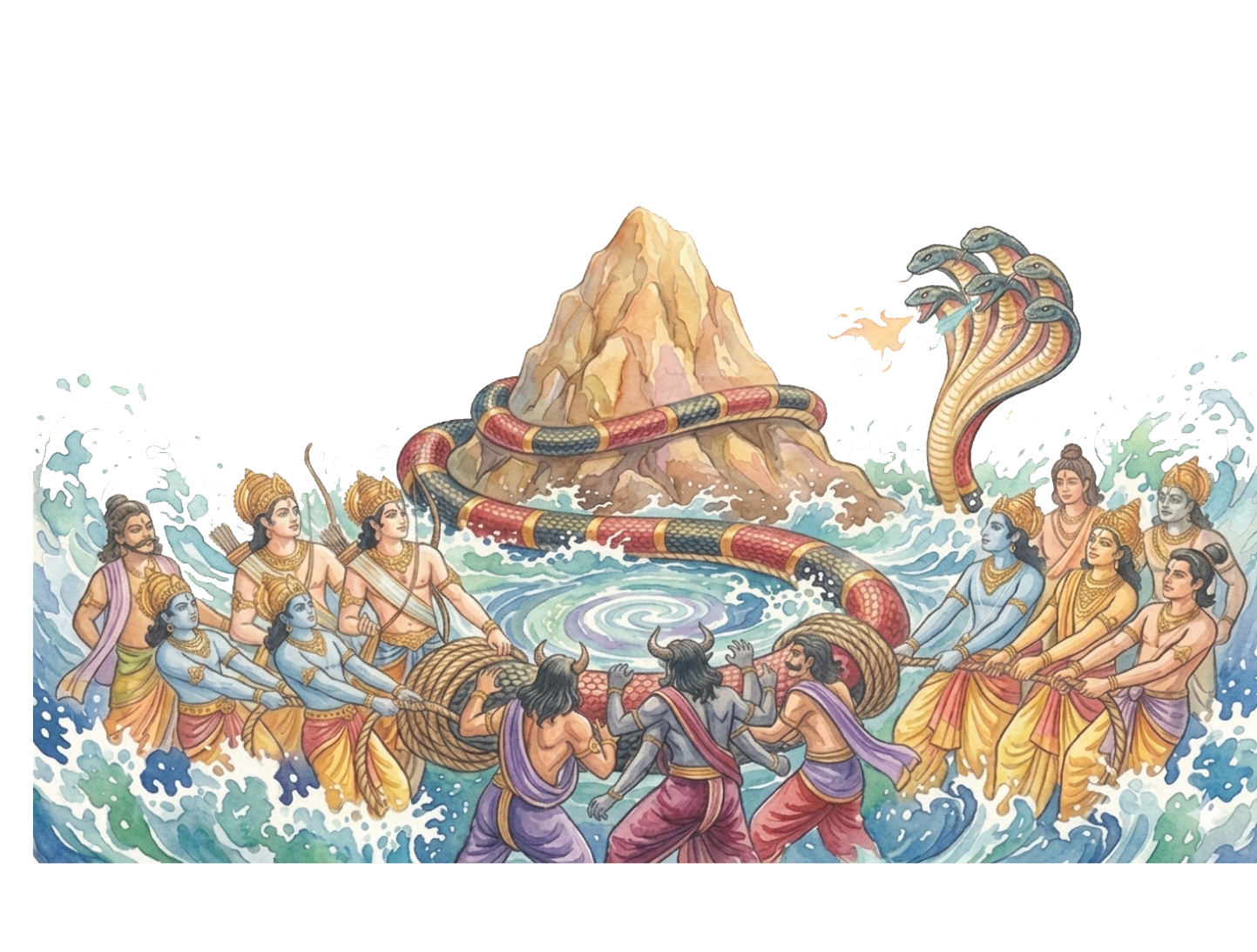
The Story of Kumbh Parva:
The Kumbh Parva is deeply rooted in the ancient story of Samudra Manthan, when the gods and demons churned the cosmic ocean in search of Amrit, the divine nectar of immortality.

Kumbhparv is a sacred celebration of faith, culture, and harmony, where millions gather in devotion and unity.

A timeless gathering of spirituality, devotion, culture and social harmony at the sacred land of Nashik.

Experience the sacred spirit of the Godavari, where faith brings millions of hearts together.

In the long history of our Indian culture, there are certain festivals that have not merely remained religious rituals but have provided direction to the entire social life. The Simhastha Mahakumbhparv is one such extremely important festival. Kumbh does not mean just a festival of bathing; it is a festival that encompasses social harmony, a scientific perspective, scriptural debates, and faith. In Indian tradition, the word Kumbh is associated with the pitcher of nectar (Amrit). This Amrit Kumbh was not only for the gods but was also considered a symbol of life values for mankind. Therefore, the Mahakumbhparv is considered a festival of self-purification, self-introspection, and social awakening for humanity. The Simhastha Mahakumbhparv is, in every sense, the largest religious gathering in the world. The reflection of the Indian society's ideology of 'Vasudhaiva Kutumbakam' (the world is one family), its way of life, and social values can be seen in the Simhastha Mahakumbhparv. The whole world holds immense curiosity and respect for it. A massive community comprising people of all castes, languages, sects, regions, various food habits, and customs within the Hindu religion gathers in one place, transcending all boundaries of rich-poor, men-women, scholar-ignorant, and householder-ascetic. They live together, eat together, and bathe in the Godavari River with the same enthusiasm.
The Mahakumbhparv or Kumbh Mela is an unprecedented mega-event celebrated across India every three years at four different locations. Haridwar, Prayag, Nashik, and Ujjain are the four places where the Mahakumbhparv is celebrated at intervals of three years each; thus, a Mahakumbhparv takes place at a specific pilgrimage site once every twelve years. Without any formal invitation, millions of people participate in this Mahakumbhparv. The purpose of the Mahakumbhparv is for knowledge-seekers from every corner of India to come together and exchange various ideas from the Indian knowledge tradition.
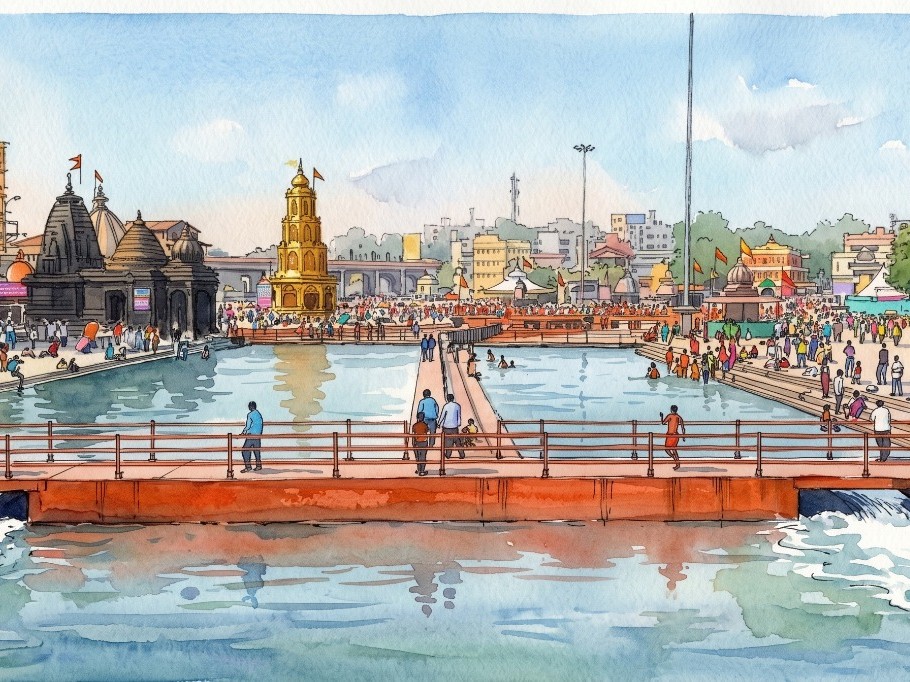
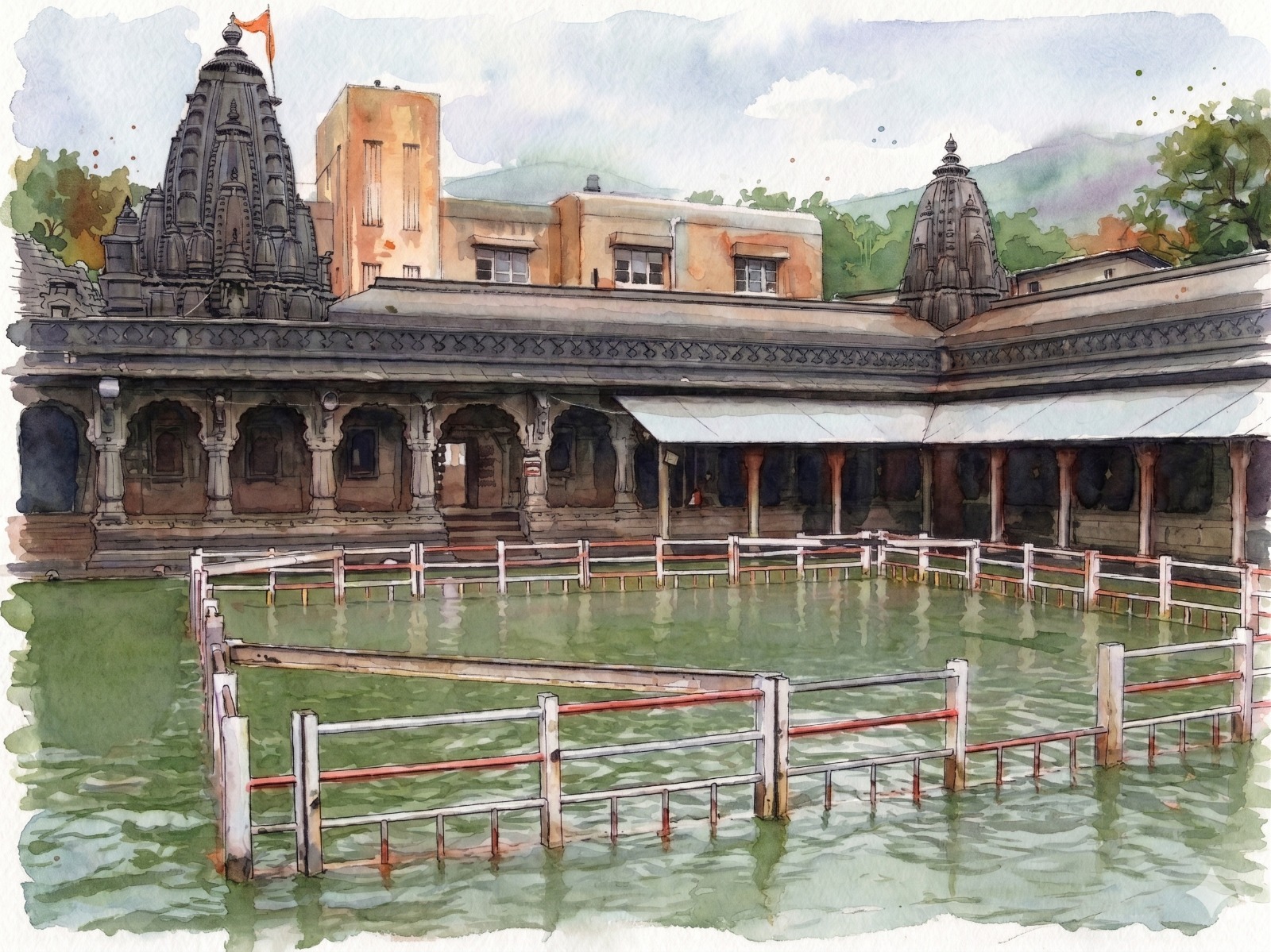
The Nasik Simhastha stands apart from all other Kumbh celebrations due to its unique dual sacred geography. Unlike any other Kumbh, its spiritual energy is centered around two distinct pilgrimage sites located approximately 30 km apart:
The Kumbh Parva is deeply rooted in the ancient story of Samudra Manthan, when the gods and demons churned the cosmic ocean in search of Amrit, the divine nectar of immortality.
According to ancient traditions, the sacred Kumbh Parva is celebrated at four holy places associated with the divine nectar and celestial events.
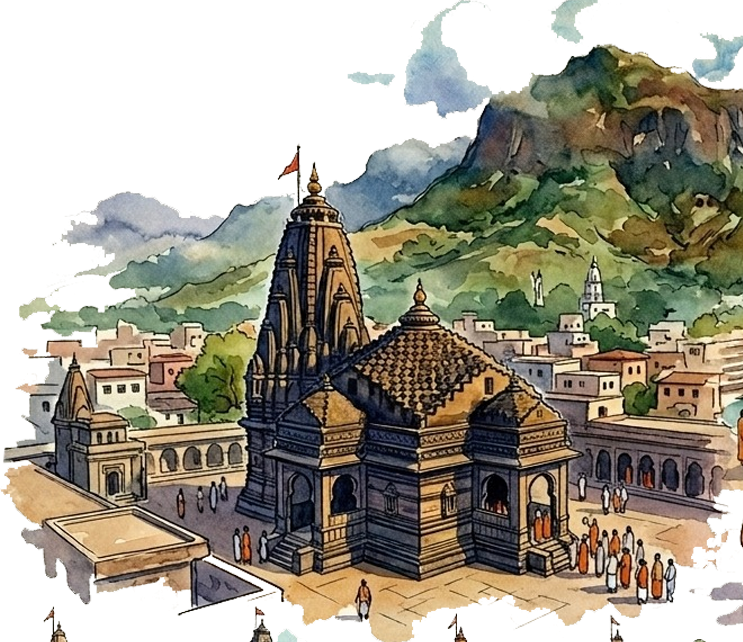
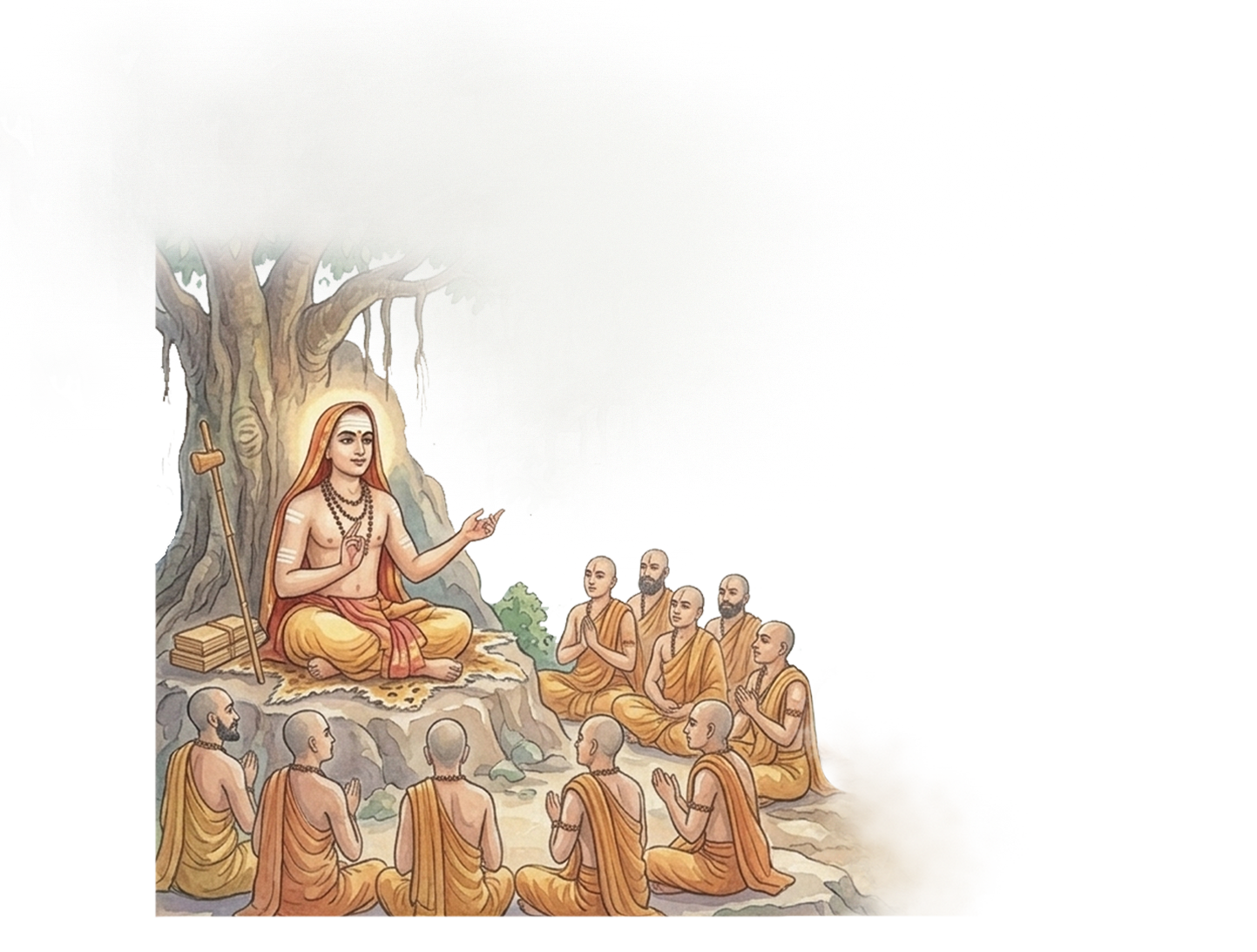
Nashik holds a special place in the spiritual tradition of Kumbh. Millions of devotees gather here to participate in sacred rituals and take a holy dip in the Godavari River.
The Godavari is regarded as one of India's most sacred rivers. During Kumbh Parva, the river becomes the centre of devotion, prayer and spiritual purification.
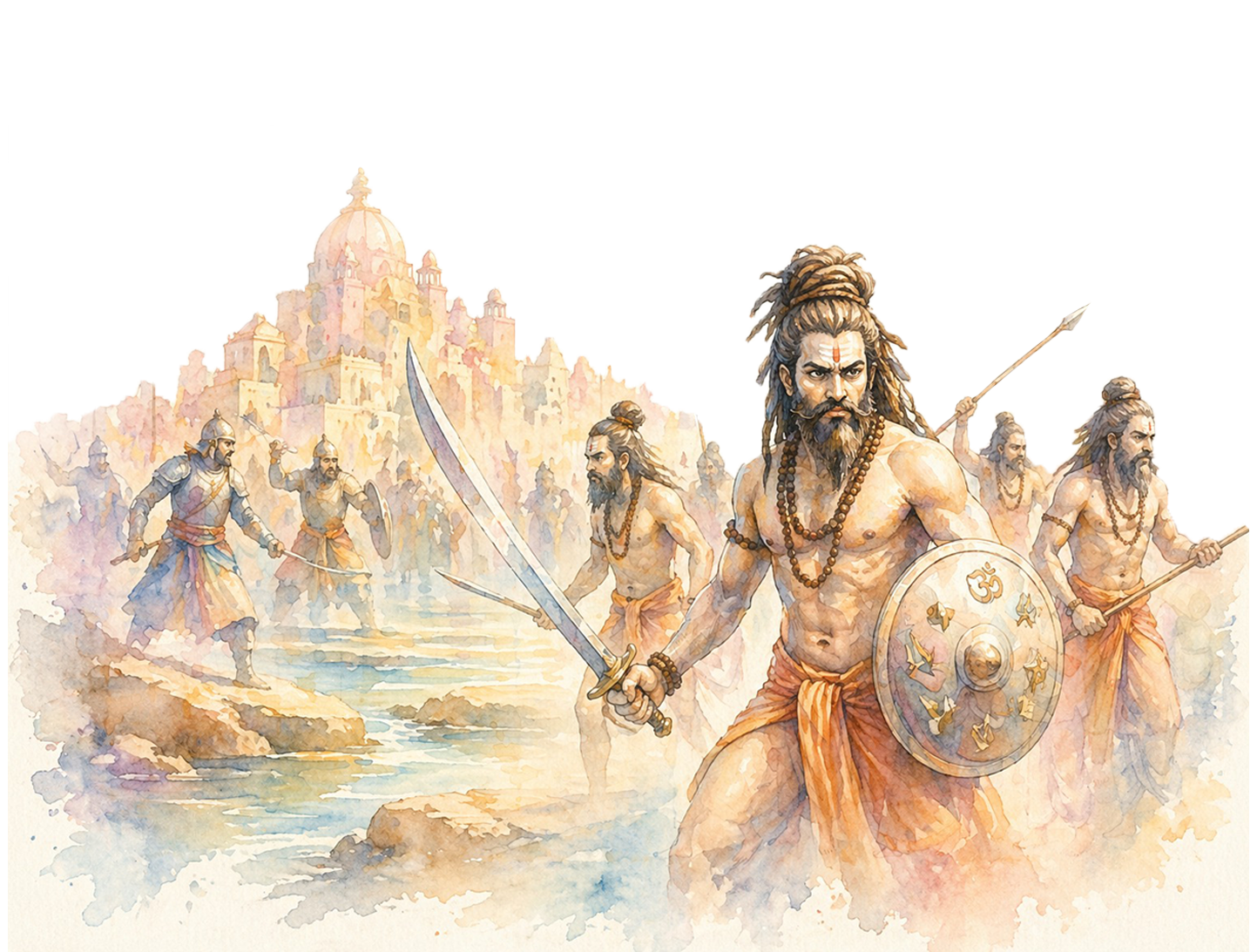
Saints, monks, spiritual leaders and devotees from different traditions come together during the Kumbh Parva, creating a unique atmosphere of faith and spirituality.
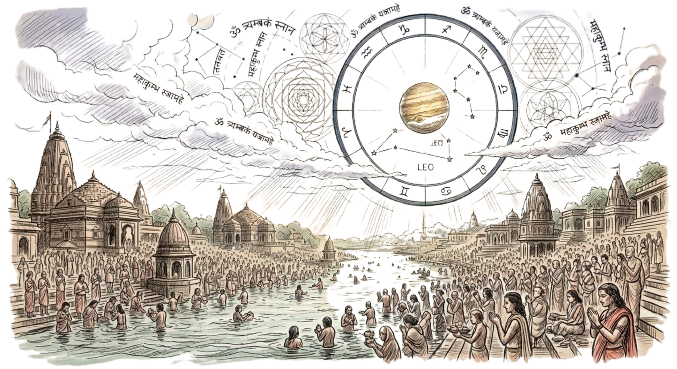
The upcoming Simhastha Mahakumbhparva is not just a congregation; it is a timeless celebration of social harmony that has been observed for thousands of years. Bringing together people across all castes, languages, sects, regions, culinary habits, and customs, it transcends all barriers. Rich or poor, man or woman, scholar or unlearned, householder or ascetic - everyone gathers with equal enthusiasm to take a holy dip in the sacred Godavari River. It stands as the world's largest peaceful festival and a living testament to the Indian philosophy of 'Vasudhaiva Kutumbakam' - The World is One Family.
Why is the 2026-2028 Mahakumbhparv unique? The upcoming Nashik-Trimbakeshwar Mahakumbhparv is historic and extraordinary due to a rare astronomical and astrological alignment known as the Trikhandi Yog. Occurring after a massive gap of 75 years, this rare phenomenon has extended the duration of the Mahakumbhparv from its usual 12 or 13 months to an unprecedented 22 months (nearly 2 years).
October 31, 2026, at 12:02 PM, marking Jupiter's entry into the Leo (Simha) zodiac sign.
July 24, 2028, at 3:36 PM, when Jupiter moves to the next zodiac sign.
Traditionally, the Simhastha Mahakumbhparv begins when Jupiter enters Leo (Simha rashi). While Jupiter usually changes its zodiac sign after 13 months, this time it will turn retrograde (Vakri) twice before 2028. This rare celestial movement delays its exit, extending the holy period to last from October 31, 2026, to July 24, 2028. Just as Prayagraj witnessed a rare 144-year cycle, Nashik is witnessing this 75-year Trikhandi Yog, last seen in 1956, giving this Mahakumbhparv immense spiritual significance.